Polyelectrolyte And Flocculants
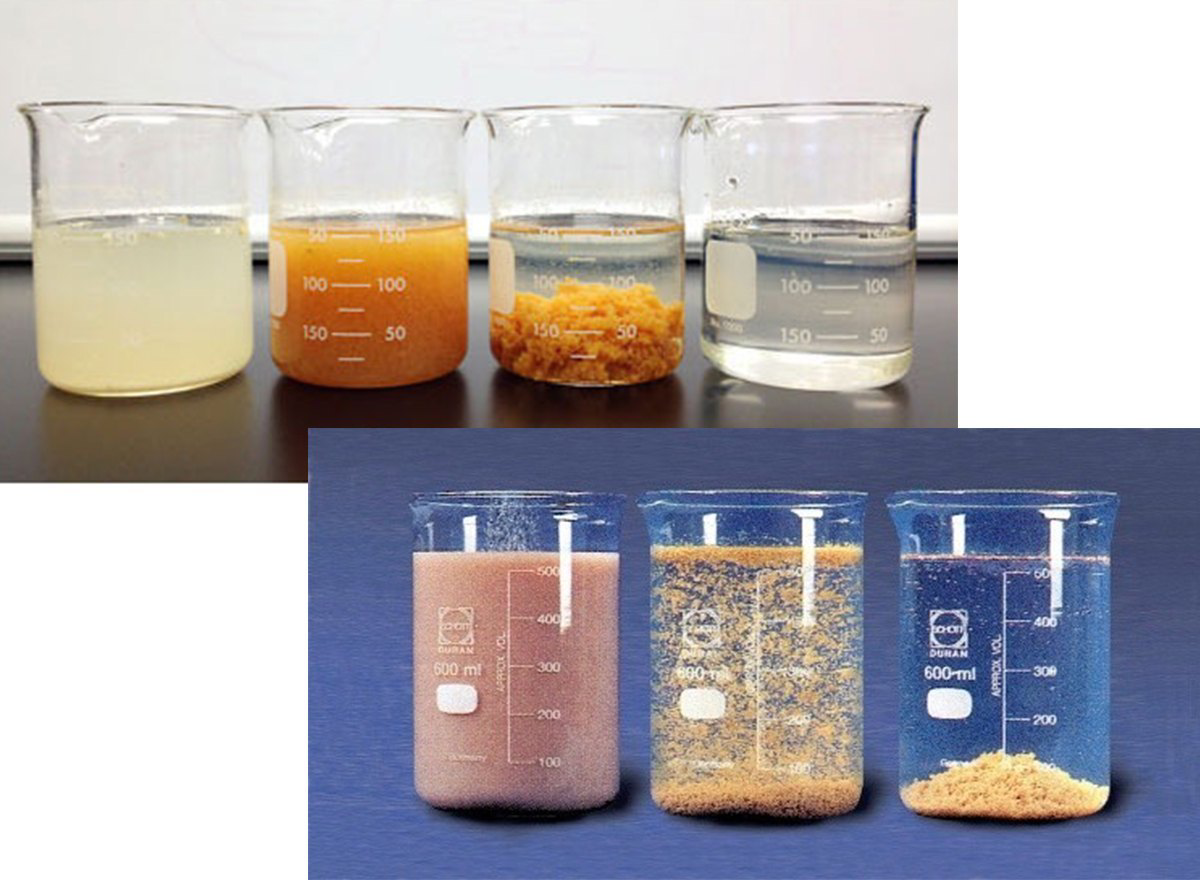
Polyelectrolytes and flocculants are key water treatment chemicals used to improve the settling of suspended solids, organic matter, and turbidity. This polymer helps in the coagulation and flocculation processes, enhancing sedimentation, filtration, and sludge dewatering.
- Polyelectrolytes: we have water-soluble polymers that carry electrical charges (anionic, cationic, or non-ionic). They are used as coagulant aids or primary coagulants to enhance solid-liquid separation.
- Flocculants: These are polyelectrolytes that promote the aggregation of destabilized particles into larger flocs, which can then settle or be filtered out.